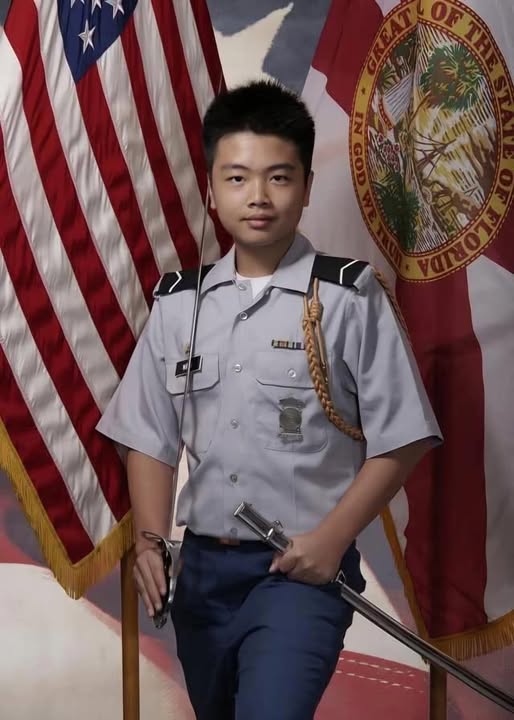
The mass shooting at Marjory Stoneman Douglas High School on February 14, 2018, remains one of the most devastating school tragedies in United States history and continues to shape national conversations on school safety, gun policy, and emergency preparedness.
The attack unfolded shortly before dismissal when a former student entered the campus and opened fire inside the school building. In a matter of minutes, 17 students and staff members were killed and 17 others were injured, sending shockwaves through the local community and the nation. Law enforcement quickly responded and secured the campus, but the scale and speed of the violence left a lasting scar on survivors and families.
In the immediate aftermath, Parkland became a focal point for grief and national reflection. Students, teachers, and families described a scene of chaos and heartbreak as emergency responders worked to evacuate classrooms and treat the wounded. The school was placed under lockdown as authorities attempted to locate and neutralize the threat.
Beyond the tragedy itself, the Parkland shooting became a turning point in discussions about school safety across the United States. Schools nationwide began reevaluating emergency protocols, lockdown procedures, and communication systems to improve response times during active threats. Many districts expanded the presence of school resource officers, implemented new threat assessment programs, and increased investment in security infrastructure.
At the policy level, the shooting reignited debates over gun legislation, particularly concerning background checks, age restrictions, and “red flag” laws that allow temporary removal of firearms from individuals deemed a risk. Several states enacted reforms in the years following the attack, while national discussions on gun control intensified.
The tragedy also gave rise to a powerful student-led advocacy movement. Survivors from Parkland organized the “March for Our Lives” movement, calling for legislative changes and raising awareness about gun violence in schools. Their activism brought national and international attention to the issue and influenced ongoing policy debates.
Years later, the Parkland shooting continues to serve as a reference point in studies on school violence prevention and emergency response systems. Educators, lawmakers, and safety experts frequently cite the incident when discussing improvements to school security and crisis preparedness.
As the nation reflects on its legacy, Parkland stands as both a symbol of profound loss and a catalyst for ongoing efforts to protect students and strengthen school safety measures across the country.